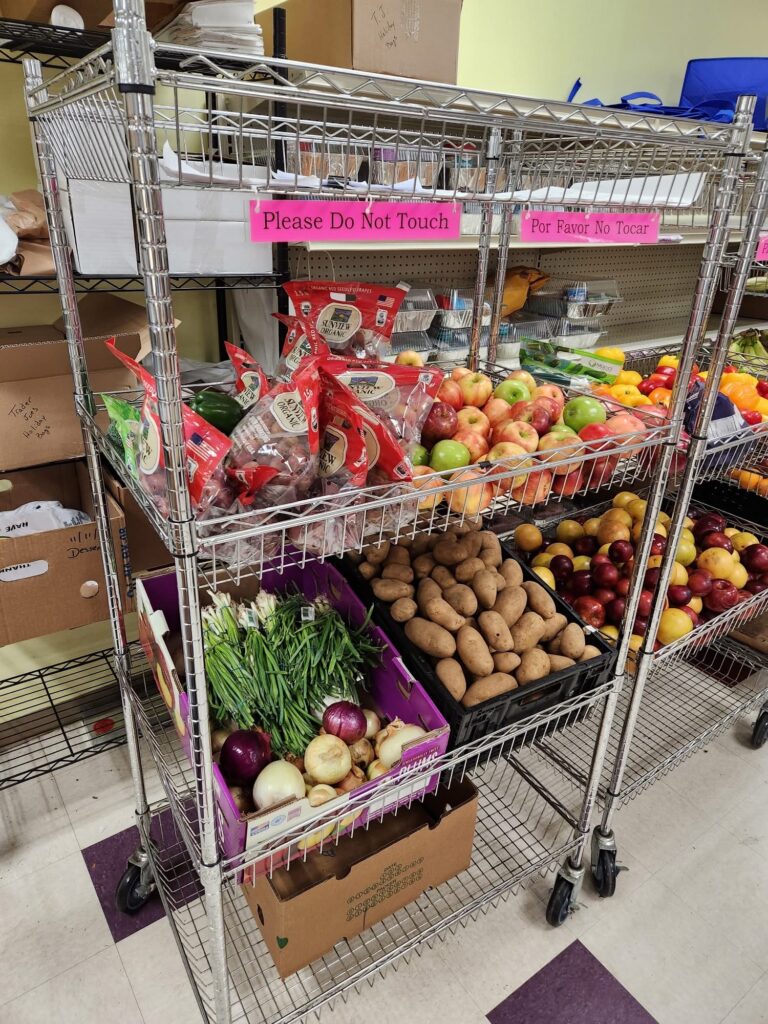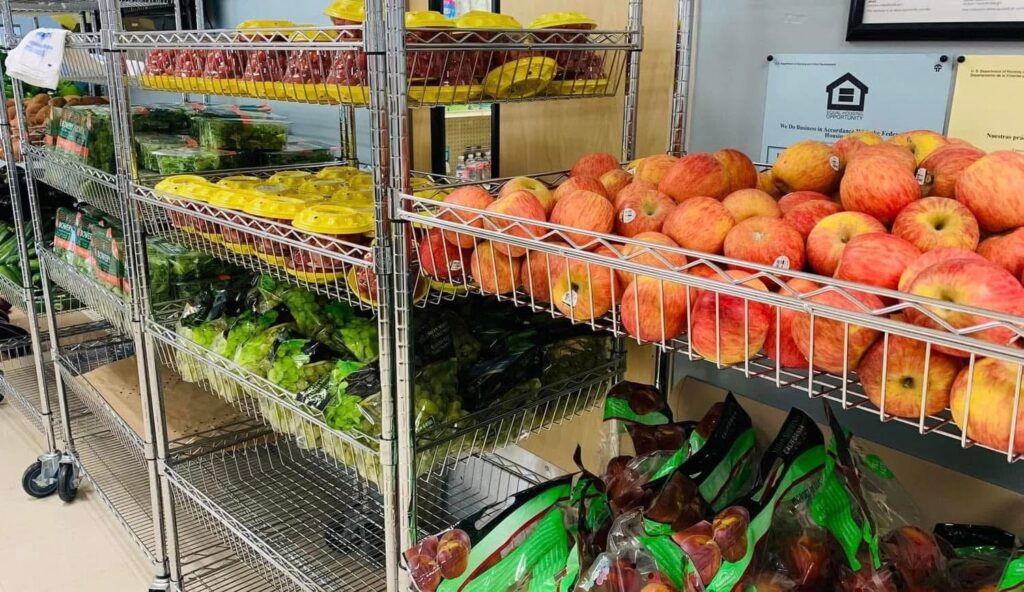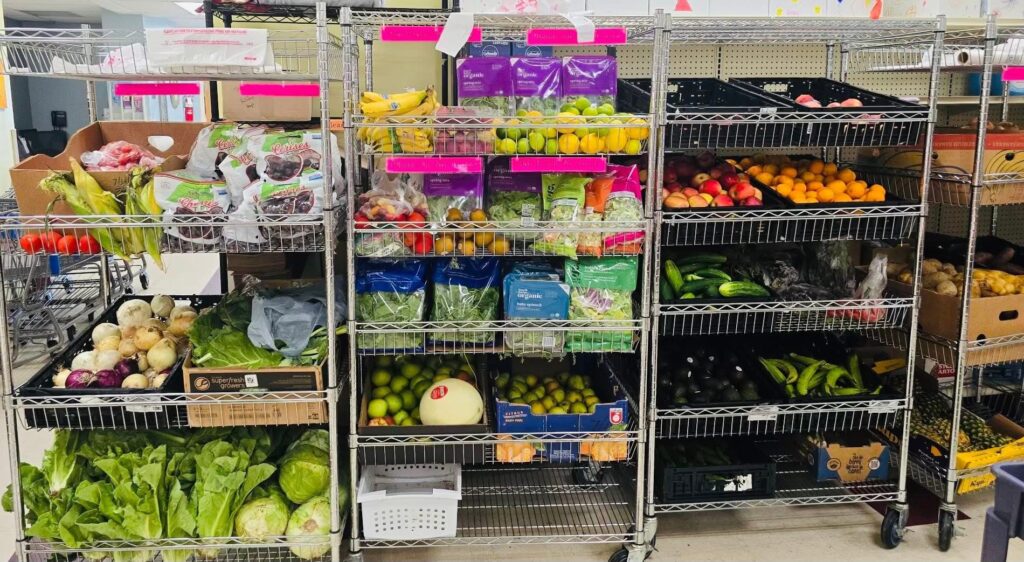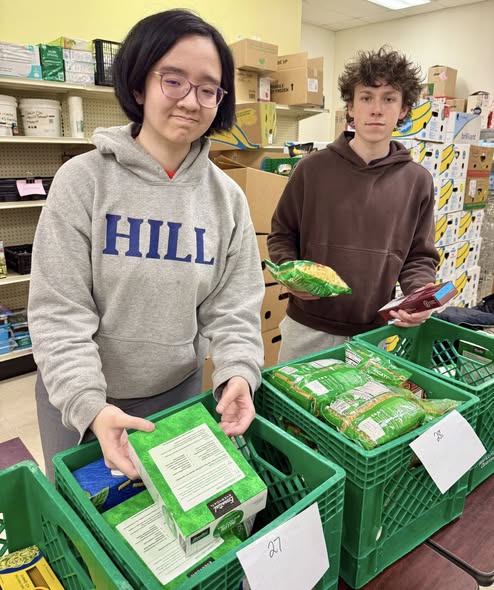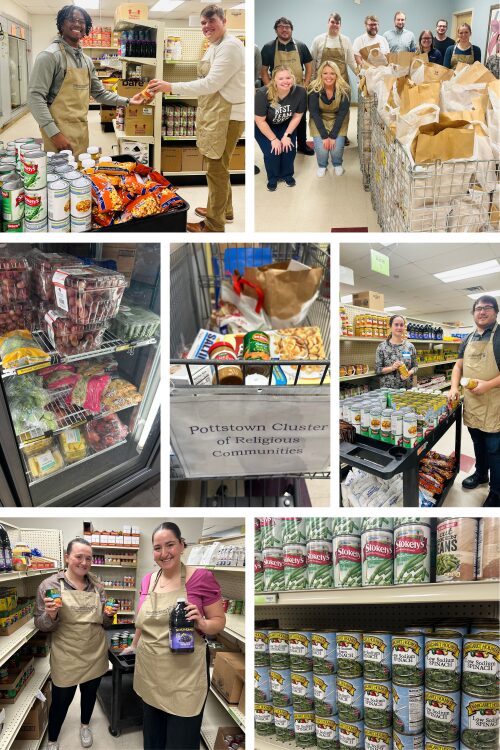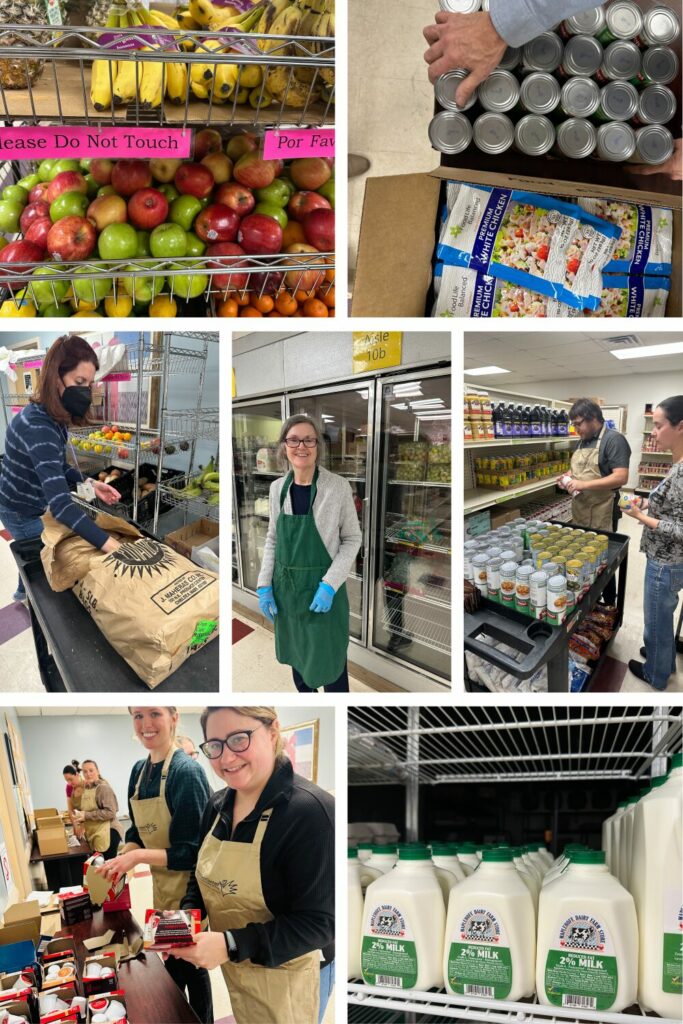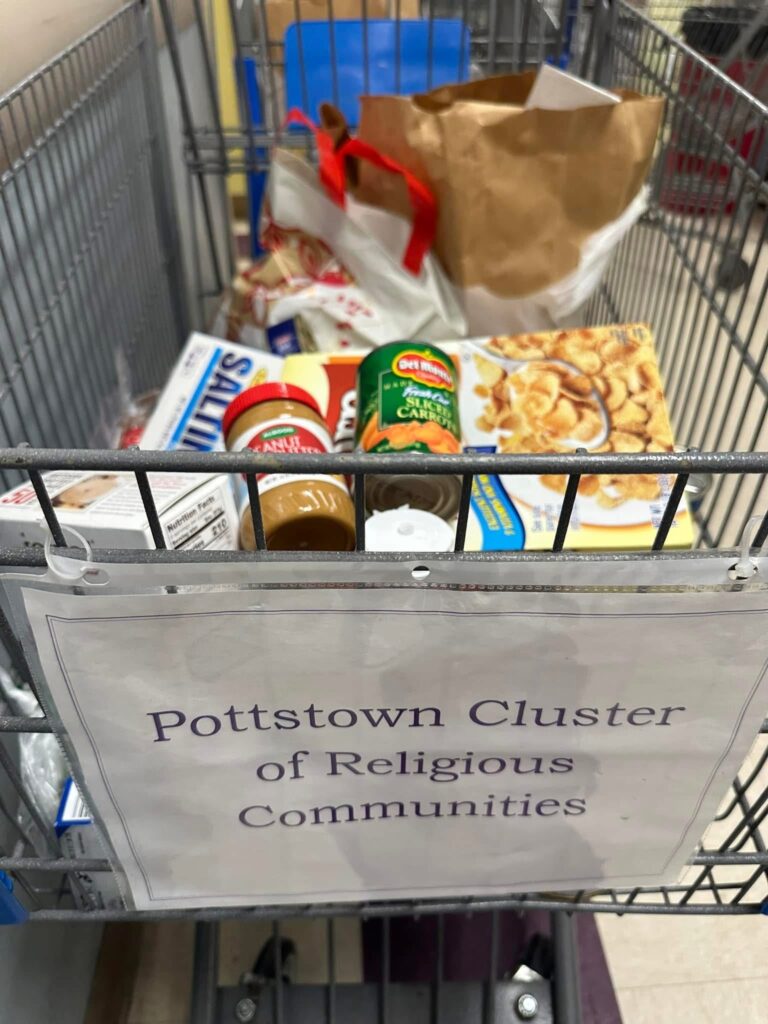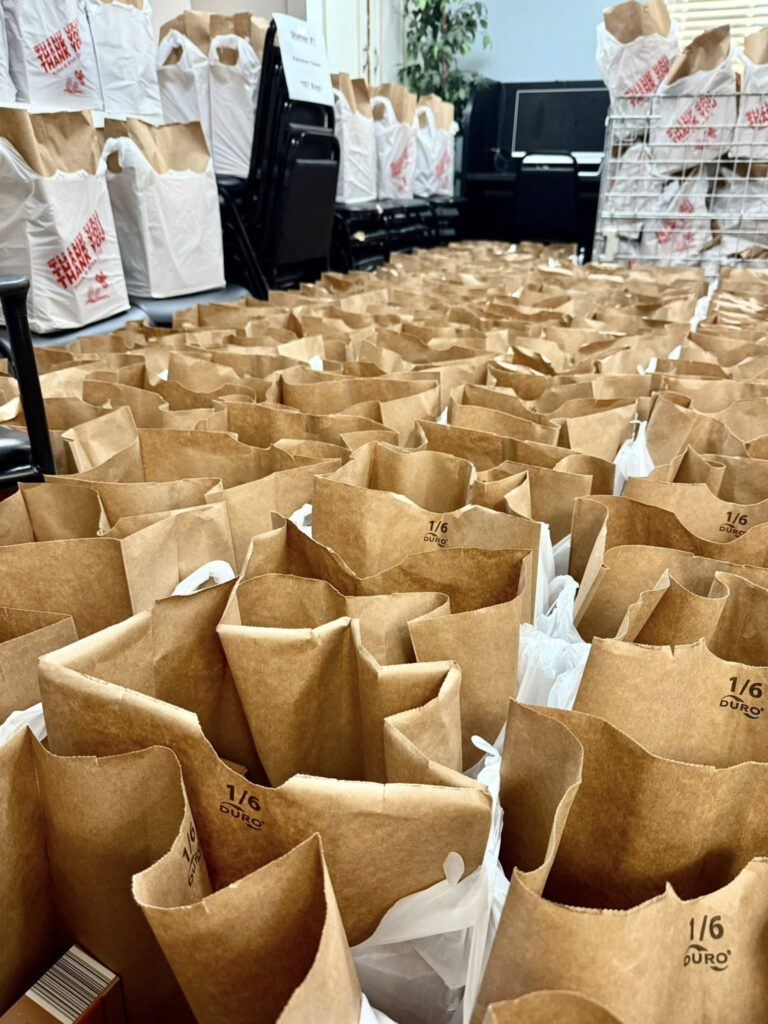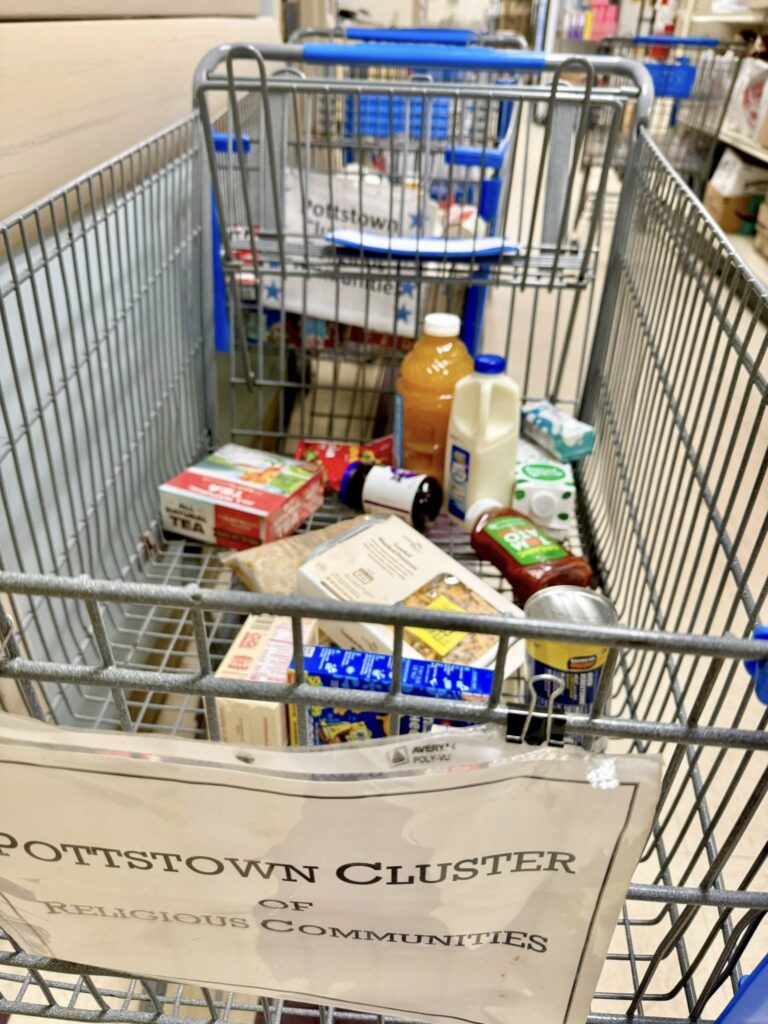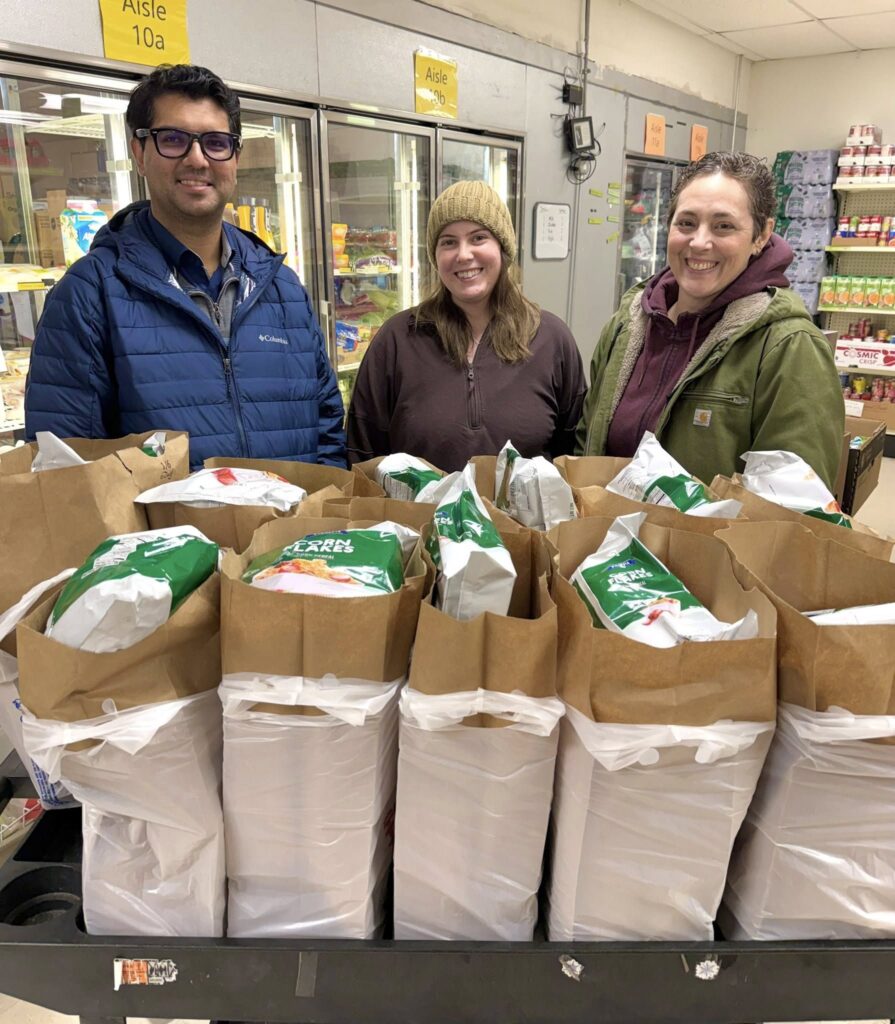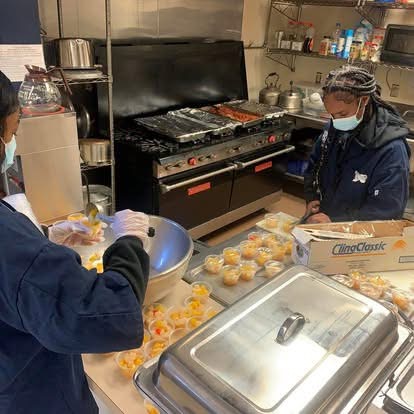
Today, we are pulling back the curtain and sharing an exclusive behind-the-scenes look at what really goes into getting food from procurement to the table.
Read more to learn how it all comes together and learn more about why this work matters more than ever.
Food Pantry Behind the Scenes: From Procurement to the Table
Ever wonder how our community food pantry really works? Here is your inside look at the precision, planning, teamwork, and coordination required to transform donations into dependable meals for our Pottstown area neighbors struggling with food insecurity.
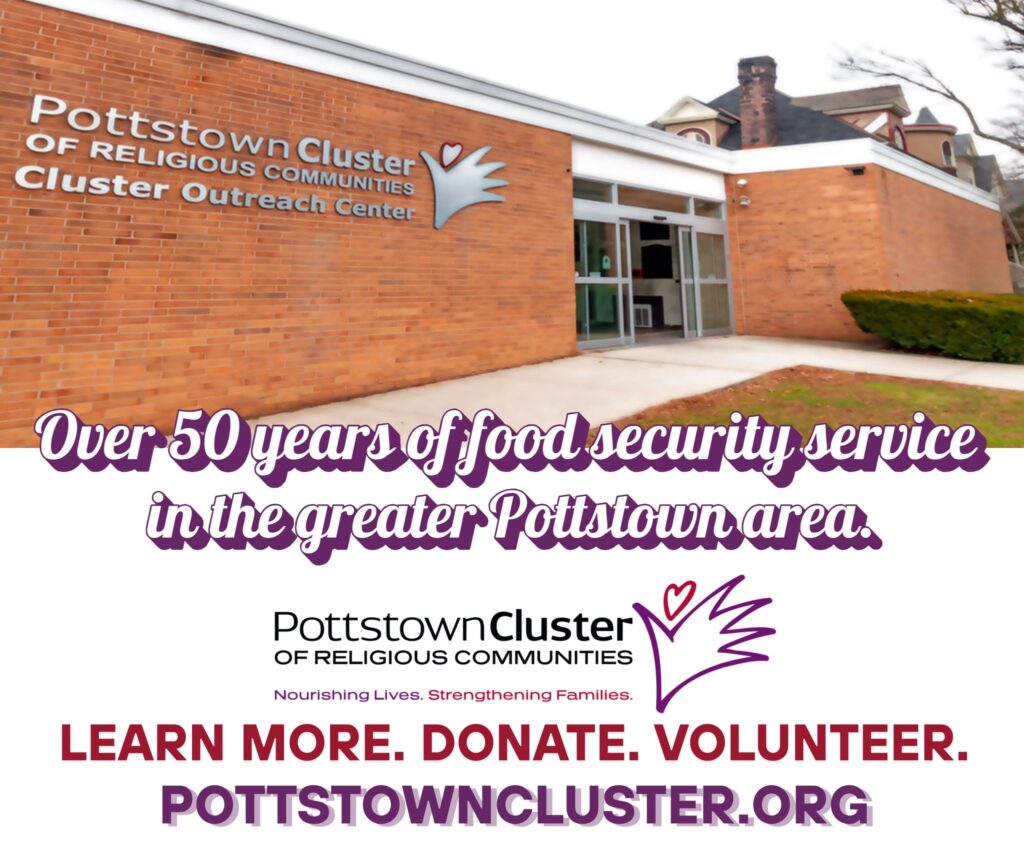
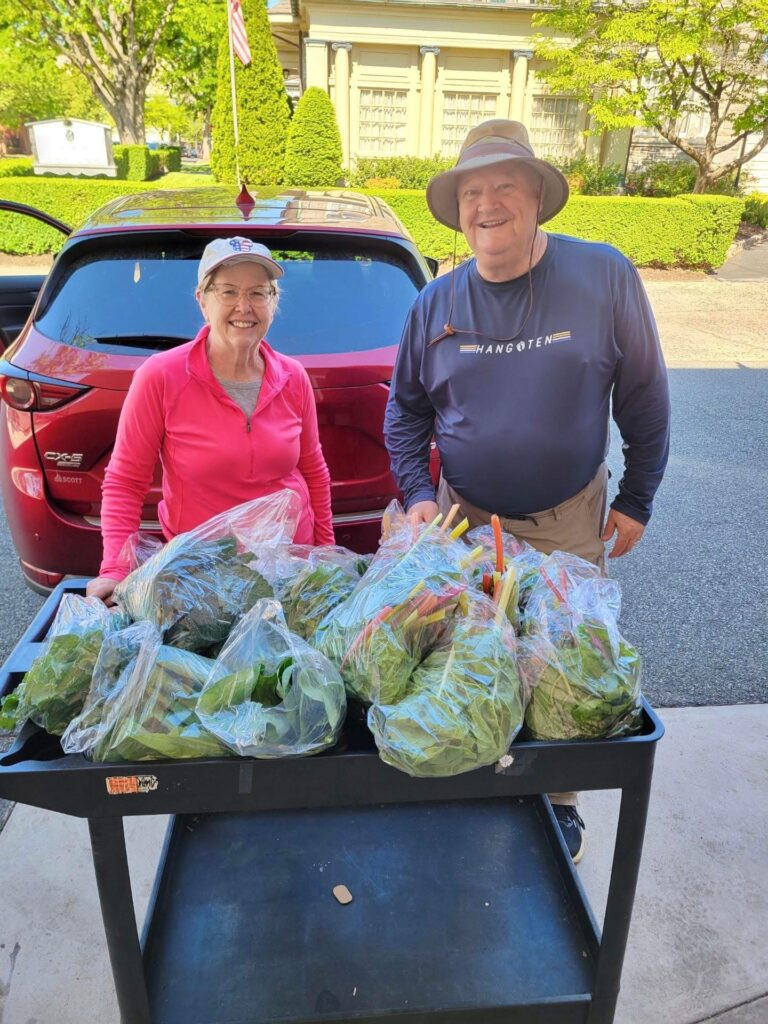
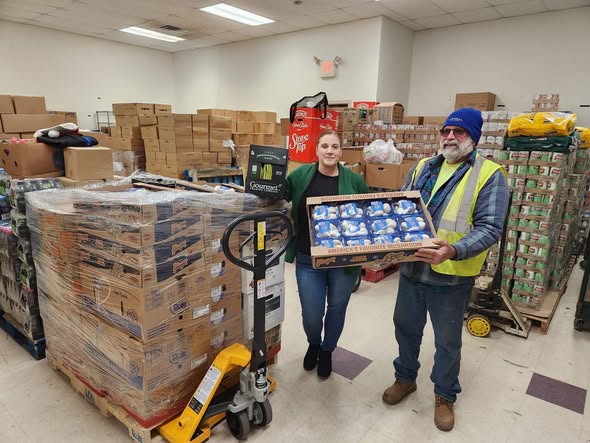
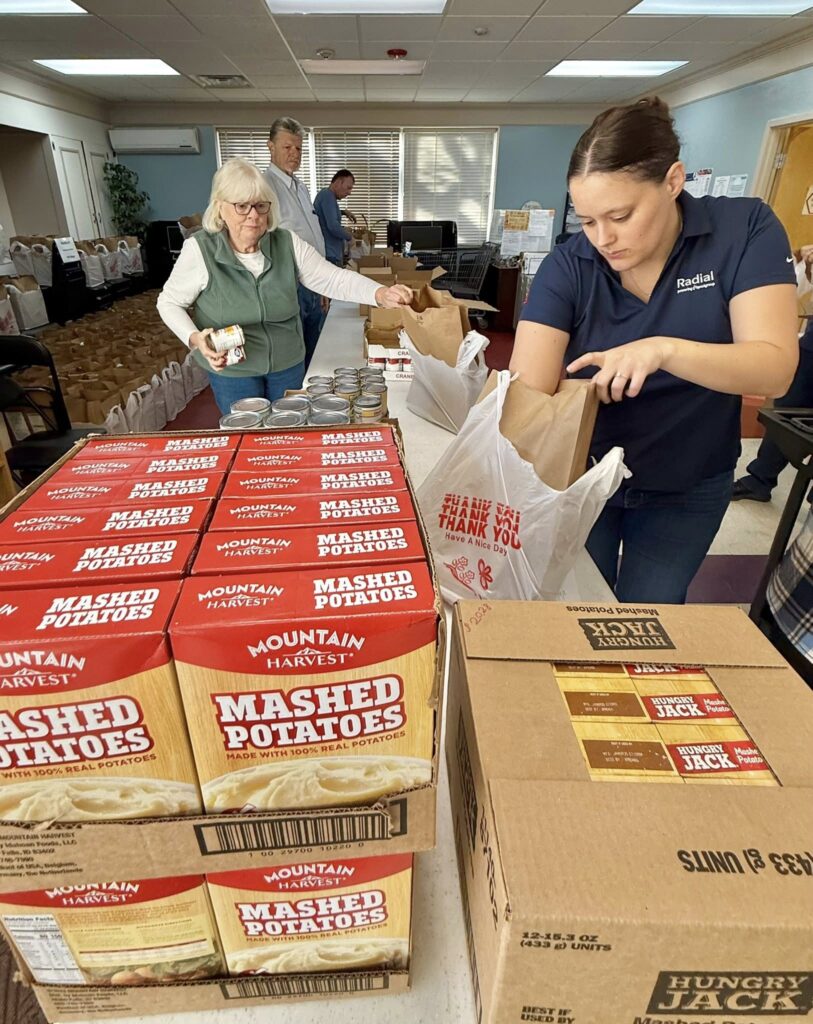
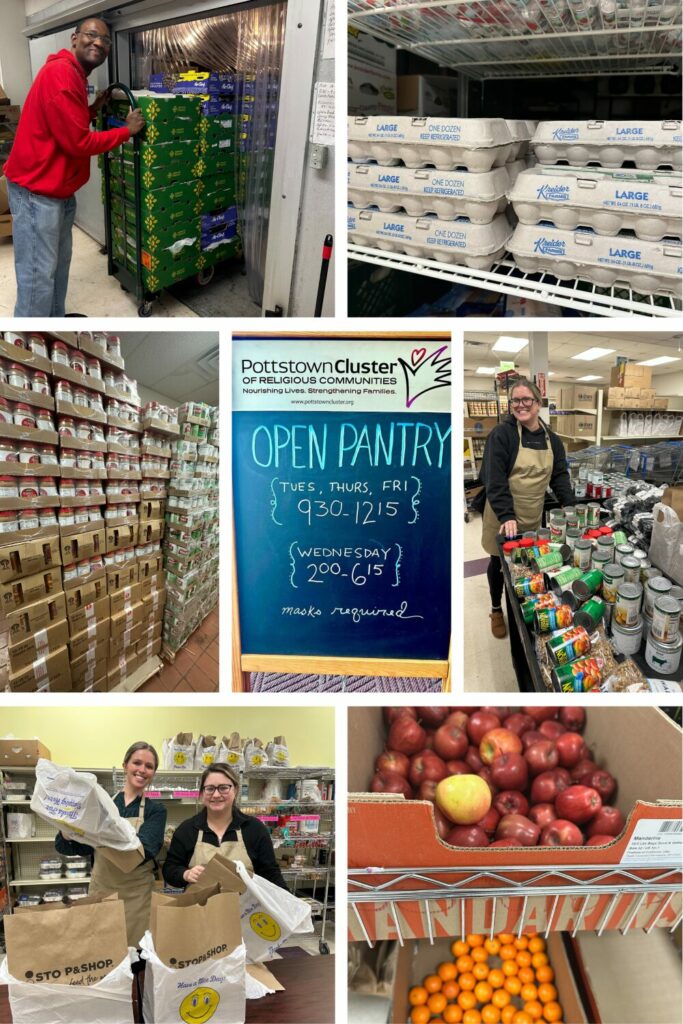
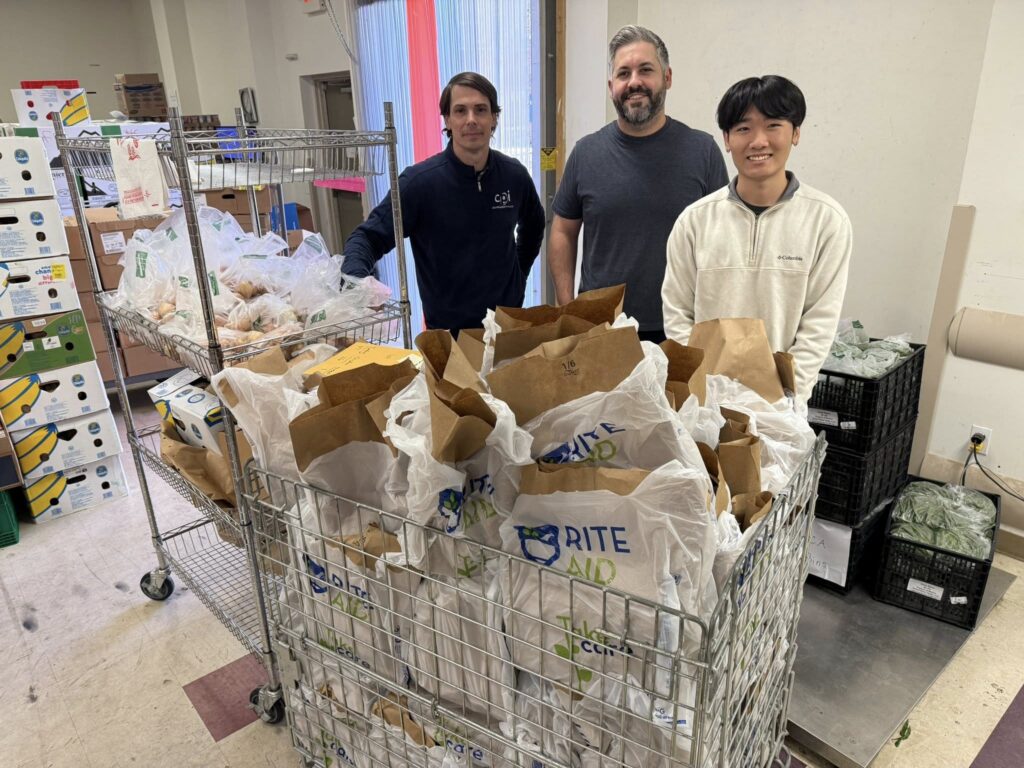
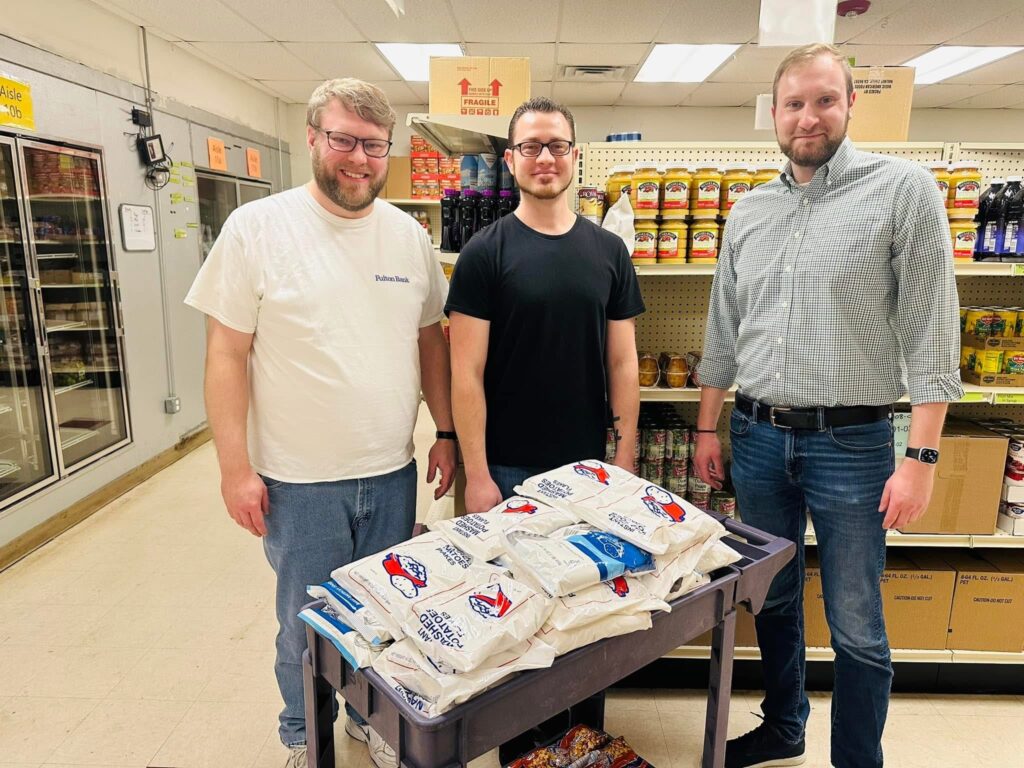
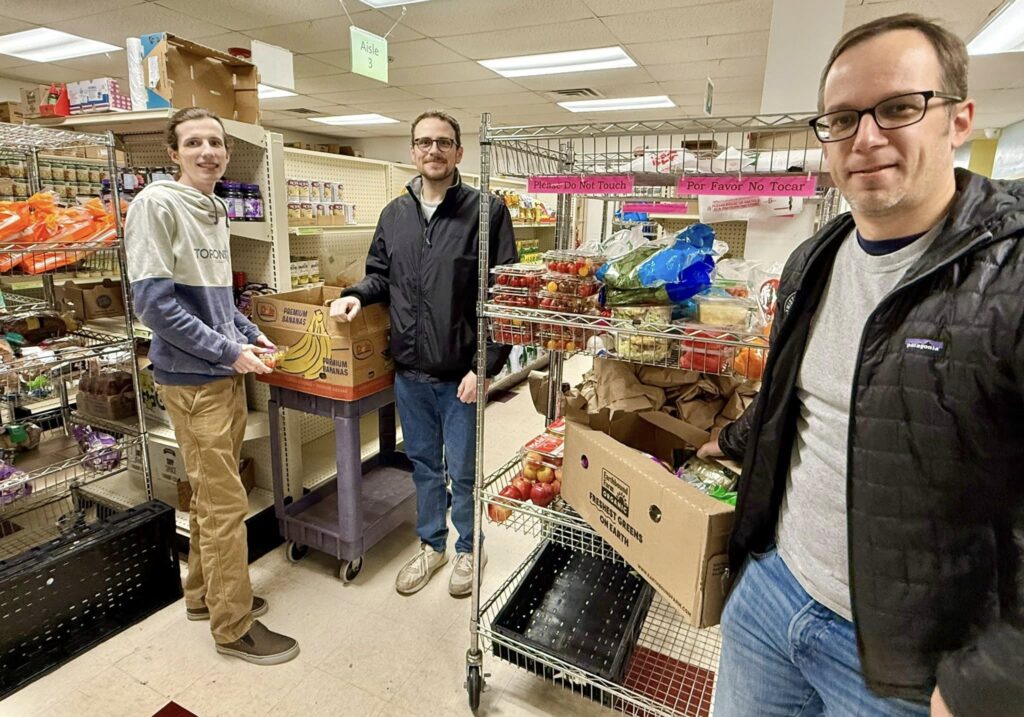
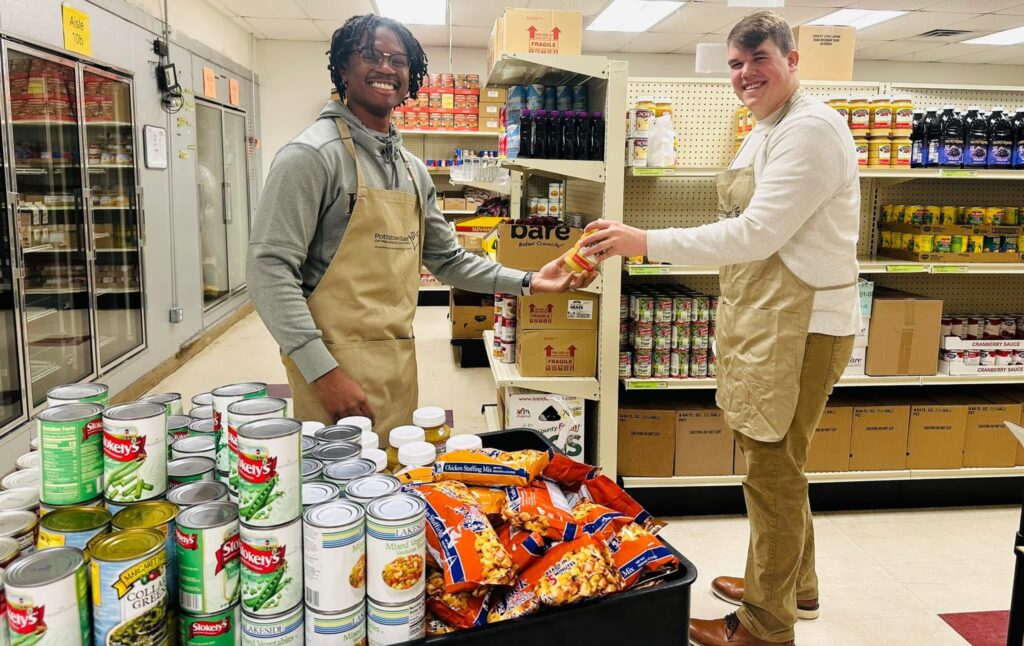
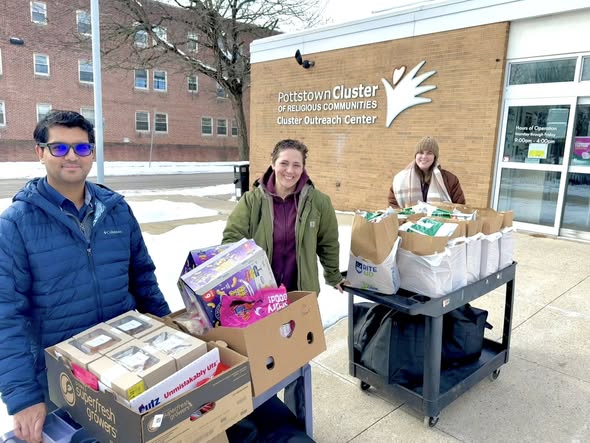
It all begins with procurement and donations. Food arrives at our Outreach Center from generous donors, regional partners, retailers, and suppliers. Every pallet is received, inspected for quality and safety, sorted by category, weighed, logged, and entered into inventory systems. Nothing simply “comes in and goes out.” Every item is accounted for so we can steward resources responsibly.
From there, the real choreography begins.
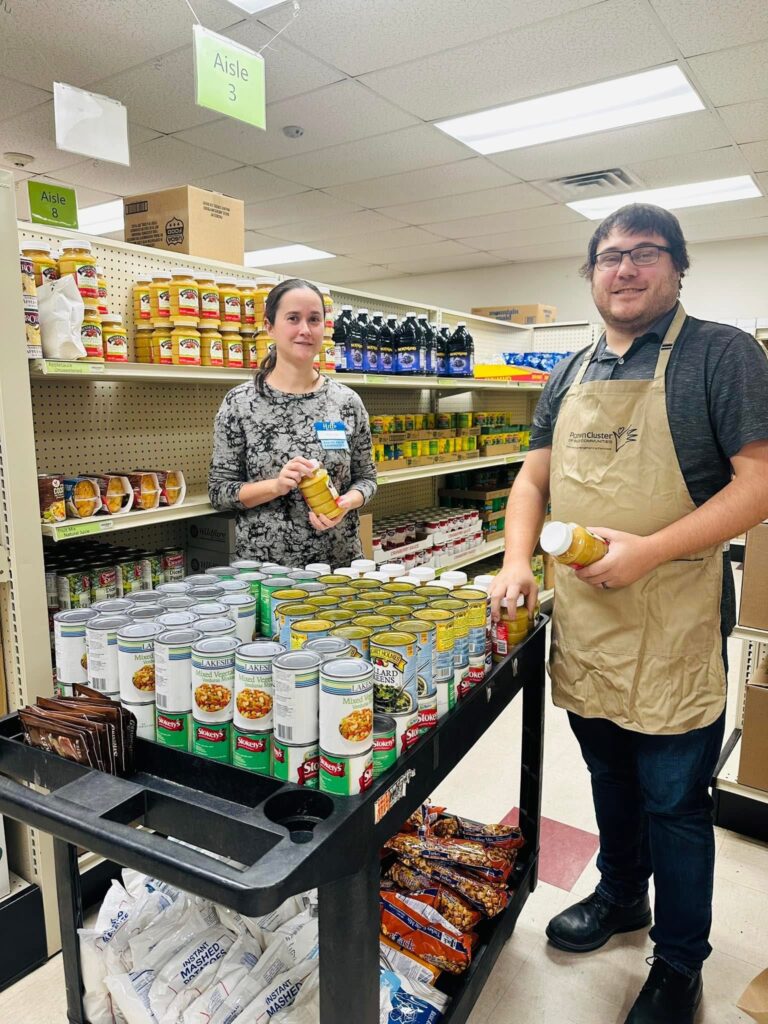
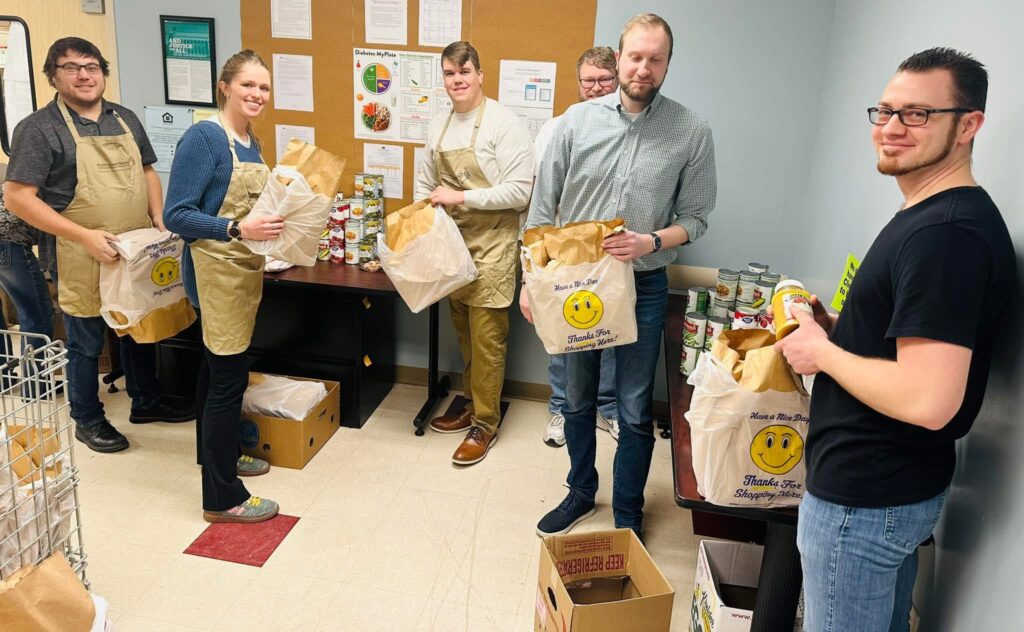
Our team manages inventory daily by rotating stock, monitoring expiration dates, forecasting demand, and planning distribution schedules to reduce waste and stretch resources as far as possible. This is ongoing, detailed work that requires constant oversight. Behind every distribution day are hours of preparation, coordination, and problem-solving.
And our operation does not stop at our pantry doors.
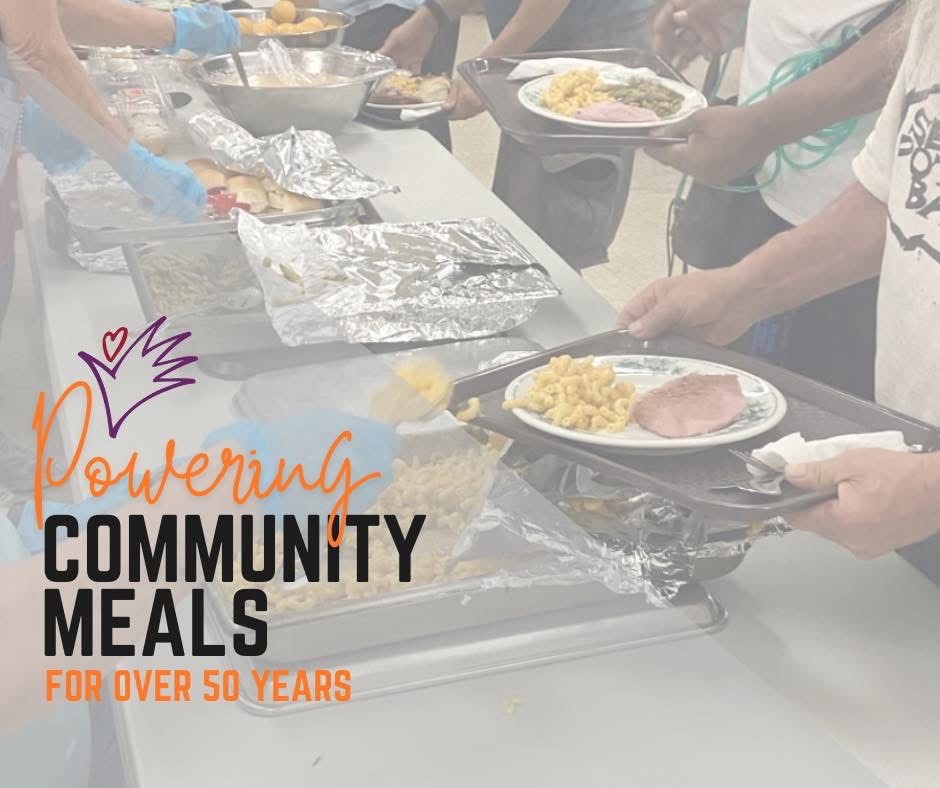
We are proud to help power Pottstown’s Community Meals Program, which has been serving residents for over 50 years. Supplying food for meal sites and ensuring consistent supply so that every location can reliably welcome guests. These meals are made possible through collaboration with congregations and organizations across the Pottstown area. We work diligently behind the scenes to help keep those tables full. Everyone is welcome.
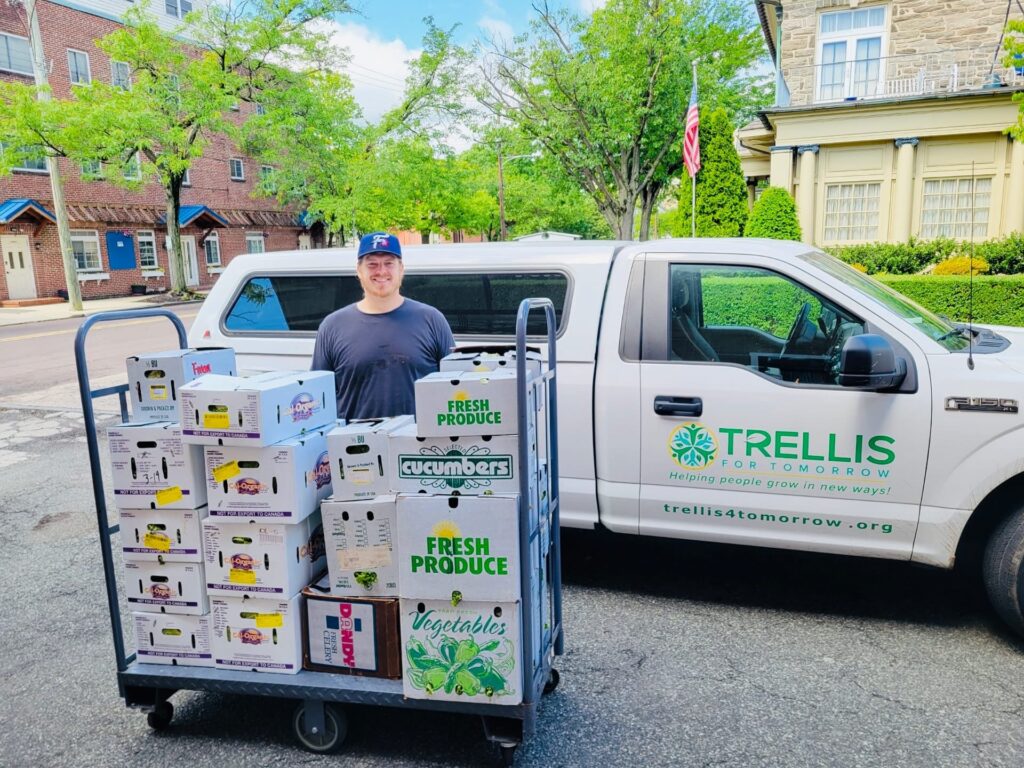
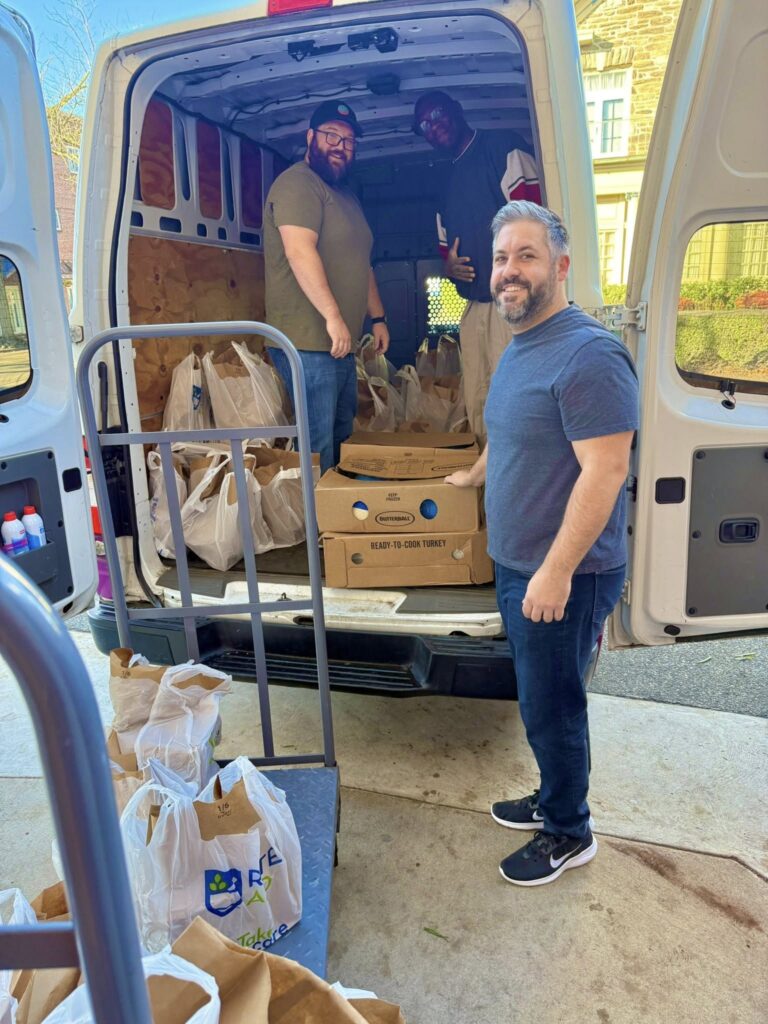
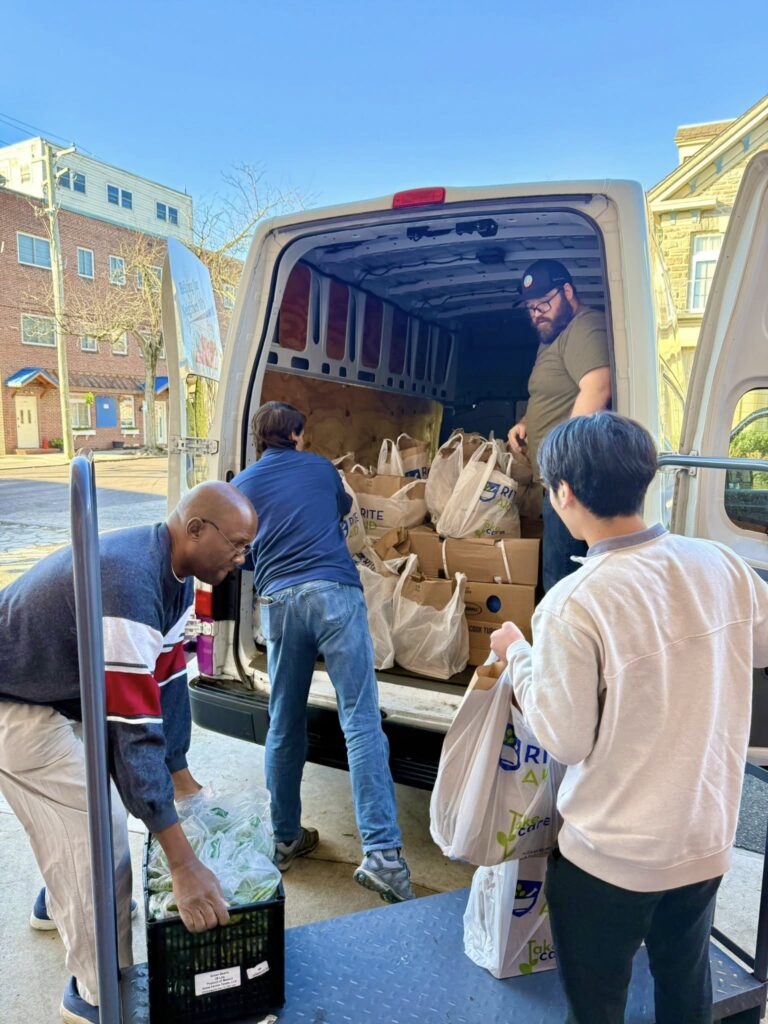
In addition, we serve as the largest food redistribution organization in Montgomery County, supplying food to localized food pantries throughout the county. Redistribution at this scale requires capacity, transportation coordination, partner communication, compliance standards, and logistical planning. By moving large quantities of food efficiently and equitably, we strengthen the entire hunger-relief network across Montgomery County.
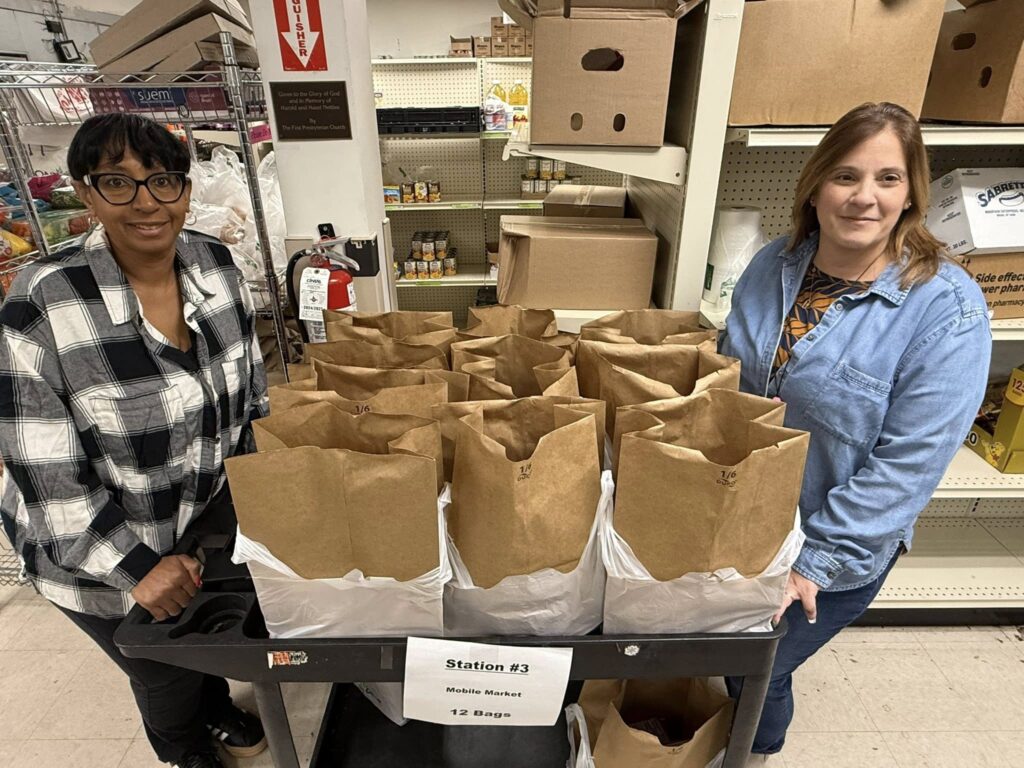
We, in response to growing concerns about food insecurity and limited access to nutritious food, have improved access to healthy food by working with partners to develop additional satellite pantries in the greater Pottstown area. Establishing these access points requires planning, supply allocation to ensure families can access nutritious food closer to home.
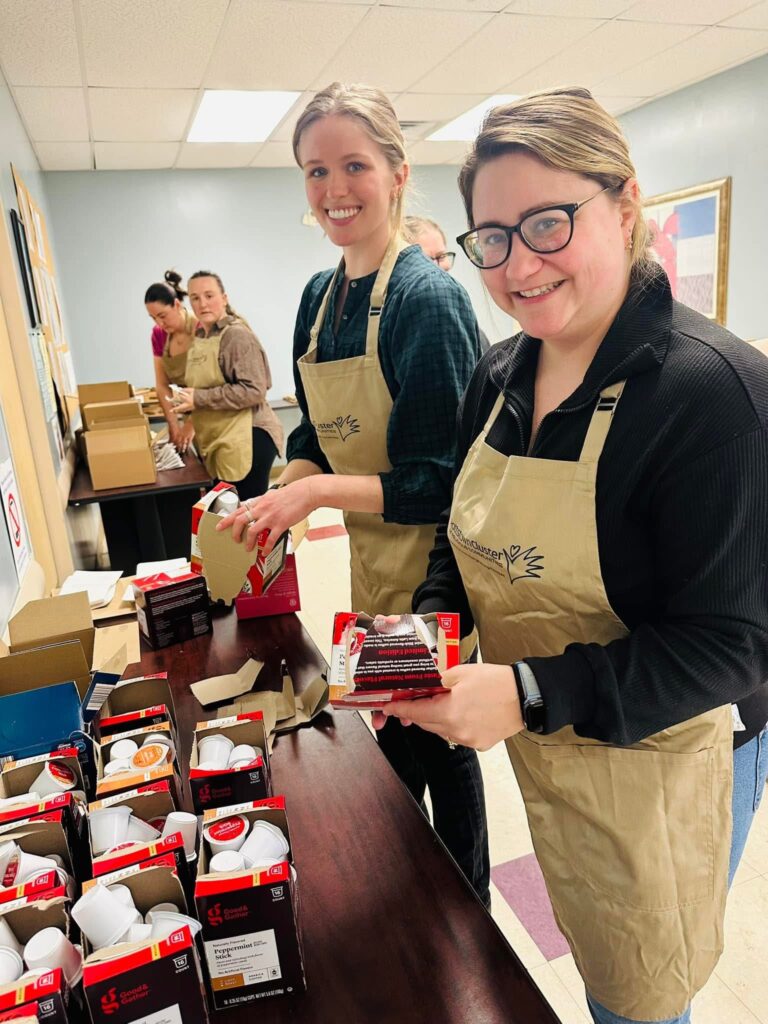
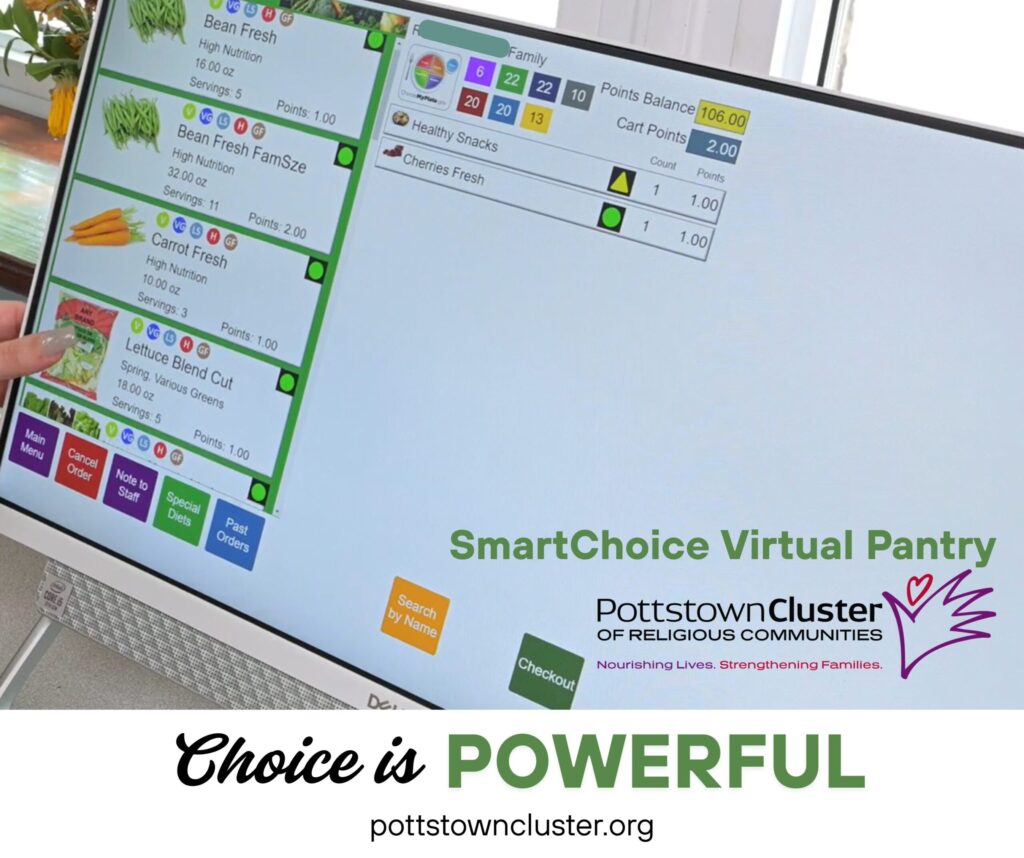
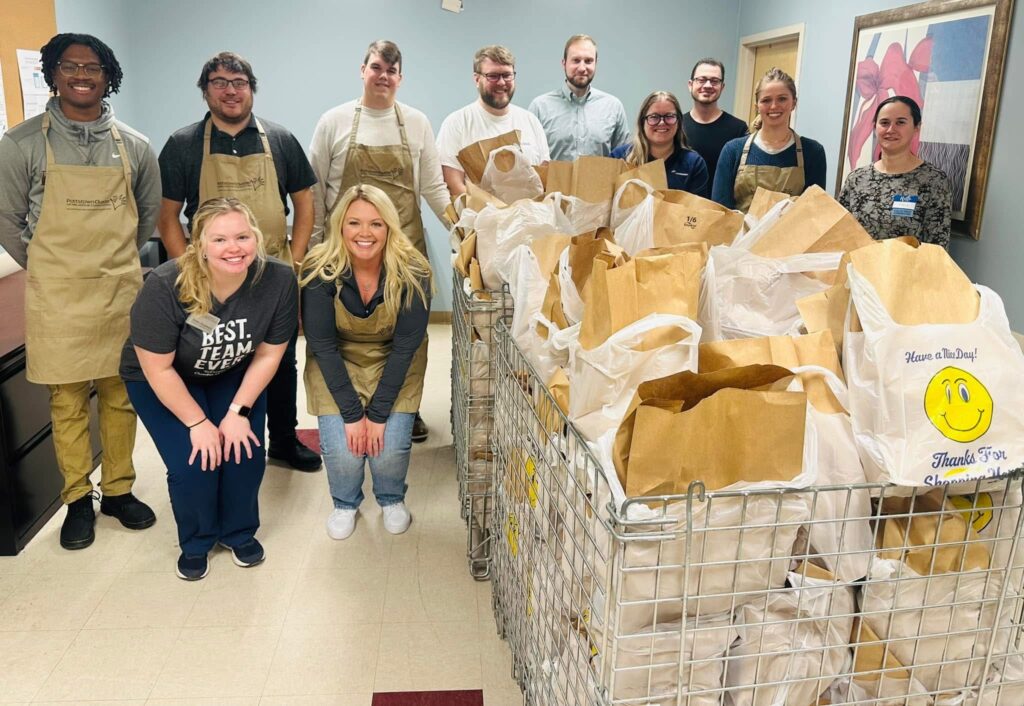
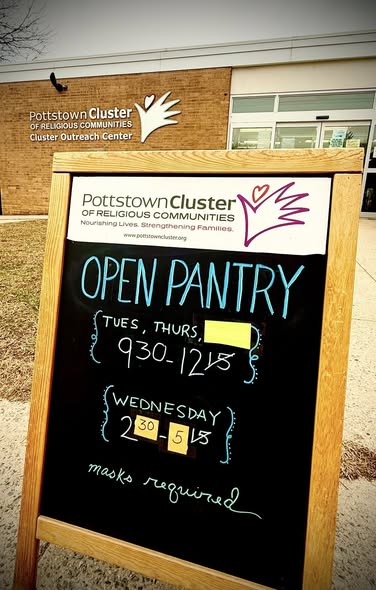
At our Outreach Center location, one of the ways we serve individuals directly is through our OPEN PANTRY Kiosk Ordering system in the Outreach Center lobby. Guests place orders in person, and behind the scenes our team reviews selections, checks inventory availability, and packs each order according to household size and nutritional balance.
We also operate Remote Online Shopping to remove barriers for families. This requires technology management, order monitoring, scheduling coordination, and organized pickup systems to ensure efficiency and accuracy.
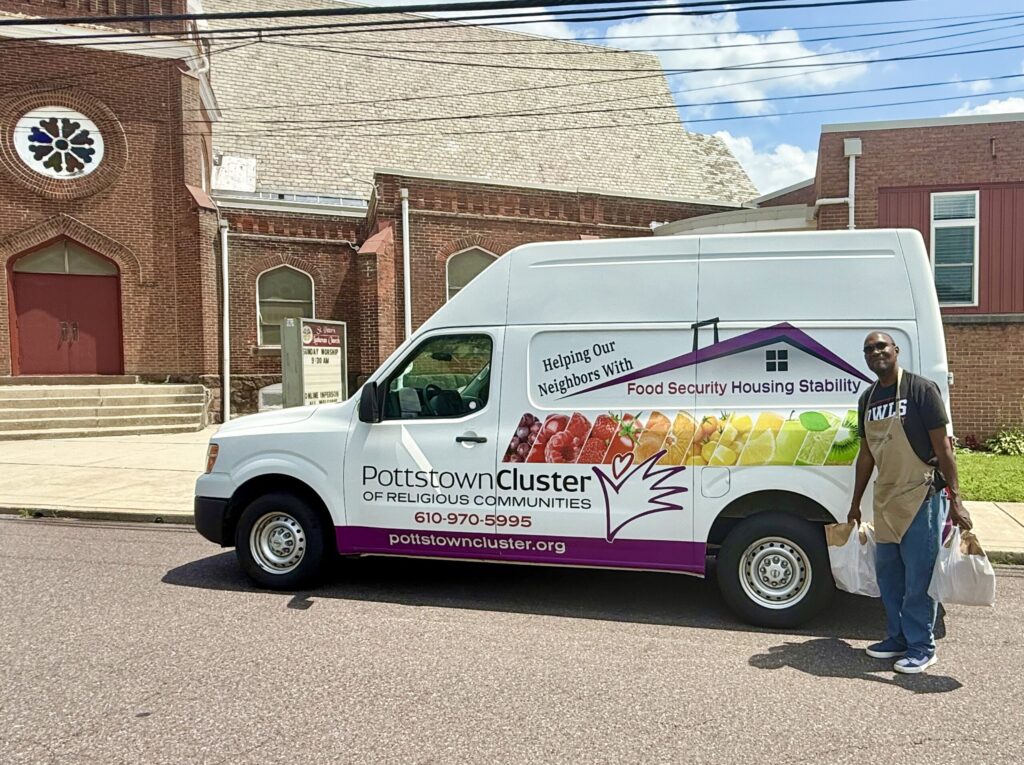
For neighbors who are house-bound or facing transportation challenges, we coordinate delivery routes, prepare specialized food boxes, and ensure timely drop-offs. This involves route planning, packaging standards, and consistent communication.
Powering all of this is our SmartChoice Virtual Pantry ordering system, aligned with ChooseMyPlate guidelines. This system is not only about choice. It requires inventory integration, point tracking, and nutritional planning. It allows us to promote balanced meals while responsibly managing thousands of food items with minimal waste.
Finally, and most importantly we welcome our guests. Whether in person, online, through community meal sites, satellite pantries, redistribution partners, or delivery, every interaction reflects careful preparation and a deep respect for dignity.
In 2025 we distributed more than 594,812 pounds of food through our pantry, community meals, and by supplying smaller local food pantries. We also served 14,515 households through our Outreach Center food pantry.